Legend has it that the name Rivonia was derived from the location of the suburb lying between two rivers – the Braamfontein Spruit to the west and the Sand Spruit to the east. But confusion exists over some parts of the suburb also being called Edenburg.
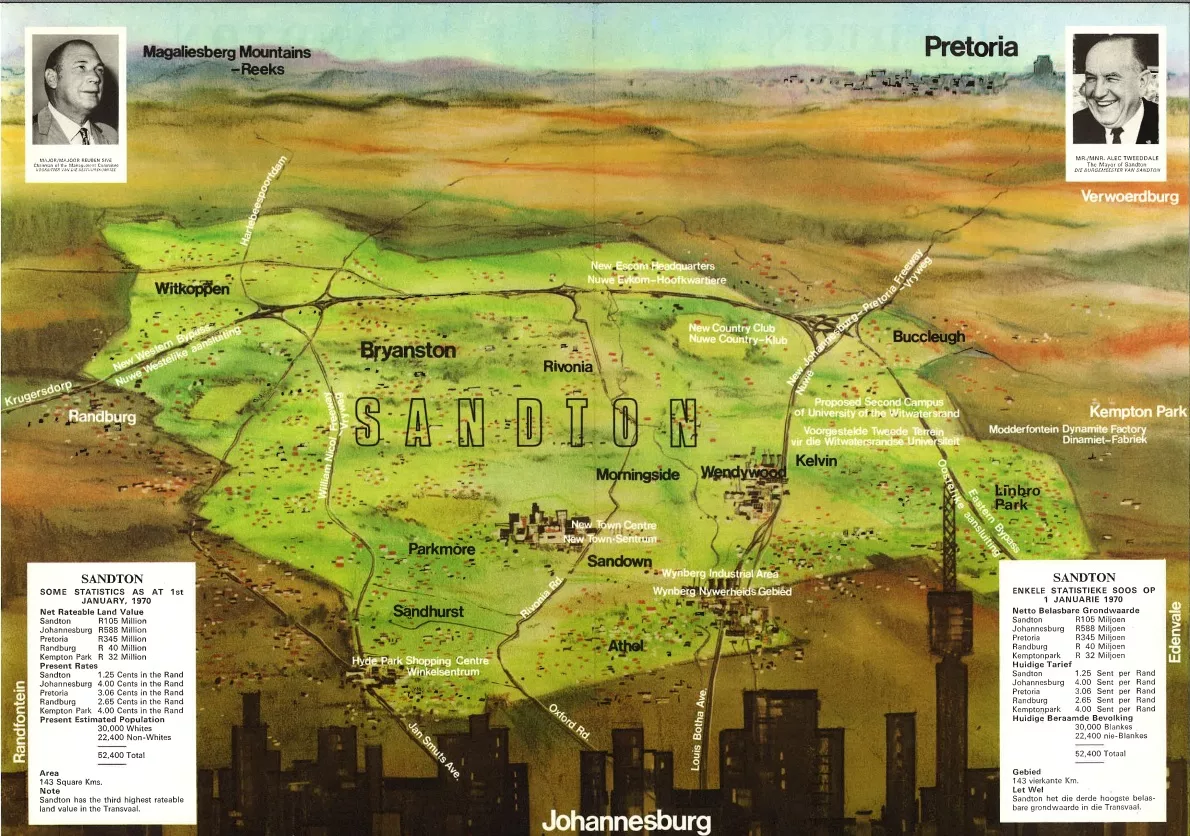
Historically, the suburb was located within the Rietfontein farm, one of the earliest nineteenth century subdivisions of the land north of Johannesburg. Records show that in 1905, Koos Roux owned the farm Edenburg, which gave its name to the district, as well as the local post office. Apparently, this also caused confusion as a town in the Orange Free State (as was) was also called Edenburg.
1919-1922
In 1919, the Edenburg and District Rural Association was formed to further the interests of the district. One of the members of the committee suggested the name of the area be changed to Rivonia, and this was unanimously adopted in 1922. However, still today parts of Rivonia are referred to as Edenburg.
As the commercial hub of Johannesburg evolved, the businessmen of the time moved north to live in the nearby country, of which Rivonia was seen as a leading part. And, of course, the character of the rural farmland started to change into a more suburban environment.
1903-1914
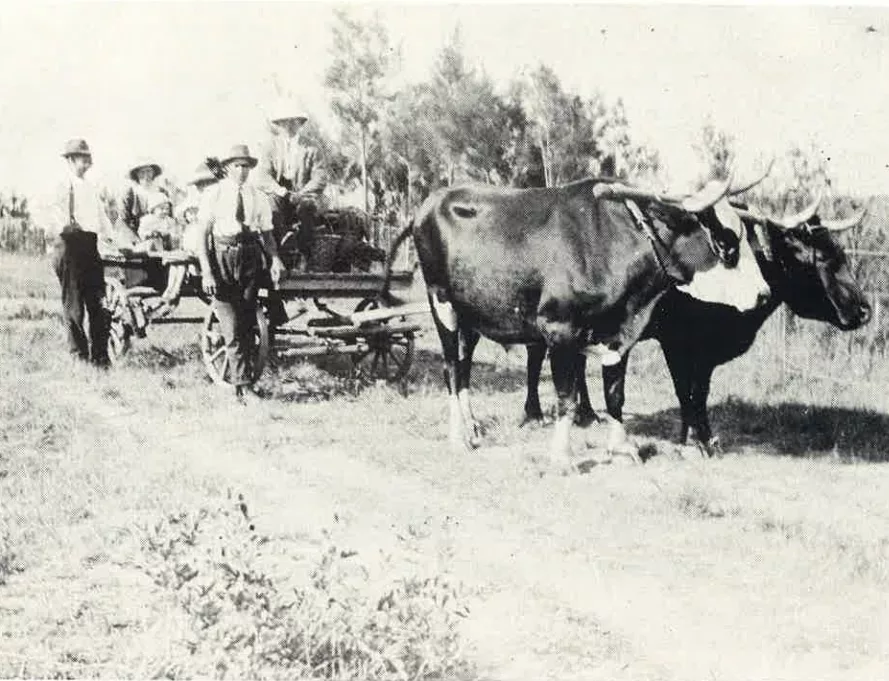
At the turn of the 20th century, Sandton's first primary school was opened. A small school (called Rietfontein 15 Government Farm School) was established on a farm in an area north of Witkoppen Road (now Paulshof). It was originally run by Miss A Scott, then Miss Marie O'Connor, with the first pupil being registered in 1903. Located near the Klein Jukskei and Zandspruit, the school was built on stilts to deal with the nearby rivers flooding during the highveld thunderstorms. This often left the school isolated and prevented pupils attending in the summer months.
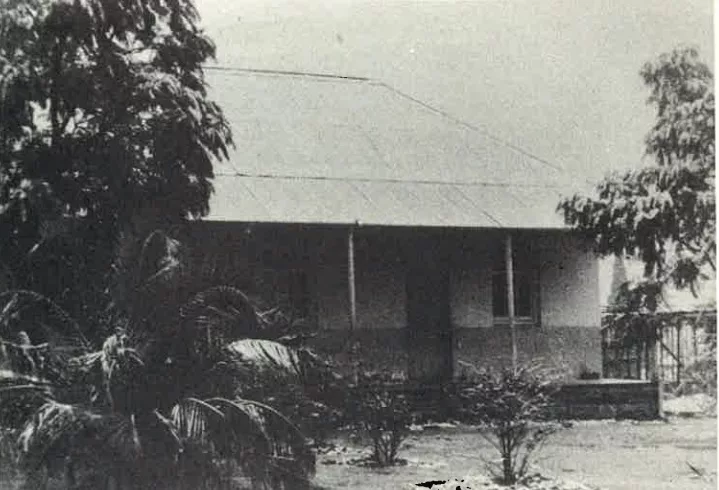
Under a new principal, Mr William Stopforth, who joined in 1911, land was purchased nearby and a new school built in an area that would be safe from the rapidly rising rivers; opening in 1914 that site prevails today as the location of Rivonia Primary School.
1920s
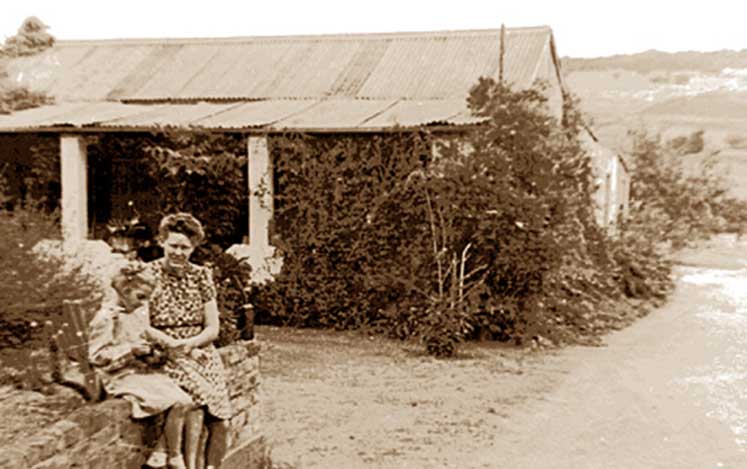
As the suburb evolved, more facilities became commonplace. The first shop was owned by Mr Schull and located on the corner of 11th Avenue and Bevan Road. It seems to have been handed over to Mr and Mrs Wolf Miller, who moved to the suburb in 1920 and ran the country store, which, as it grew, included a general store, petrol pumps, butchers and post office. The Millers children and grandchildren continued to evolve the retail business. It's not clear exactly when, but the store (renamed Rivonia Produce and General Dealers in 1959) moved to the Main Street (now Rivonia Boulevard) and became Rivonia Produce & Hardware.
1930s
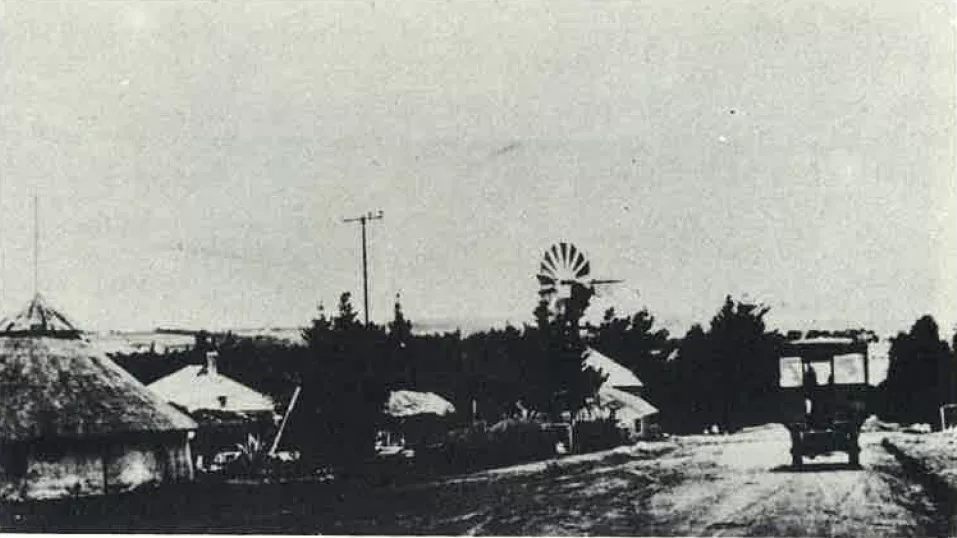
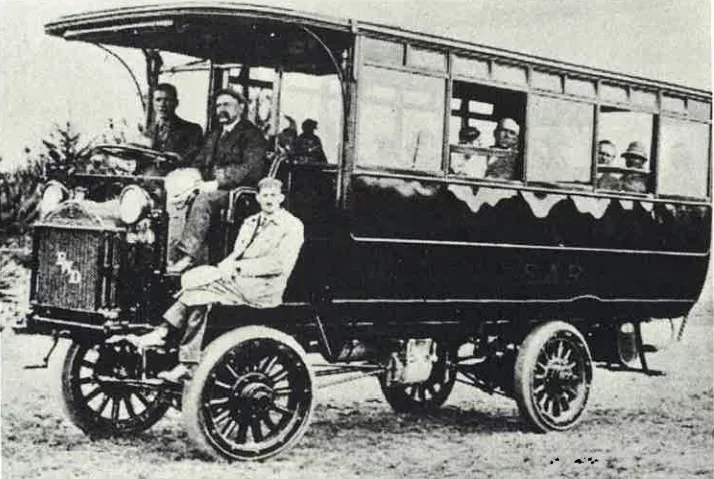
Public transport evolved from the shop's proprietor at the time, Mr Miller giving lifts to residents who wanted to visit Rosebank, to a three-times-a-week bus service. Legend tells that a 'railway bus' or tram service used to run as well, but as the roads improved in the 1930s this disappeared.
1947-1949
By 1947, land in Rivonia was fetching 1000 – 1200 pounds sterling an acre, with wildlife (including jackals and steenbok) still frequenting the area, especially around the rivers. The blow really fell in 1949 when the new Valuation Roll of the Peri Urban Board brought great changes and made life very difficult for those residents of Rivonia of modest means who couldn't afford the new high rates and taxes.
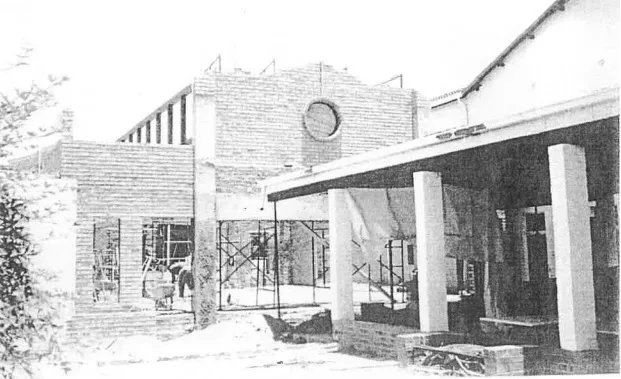
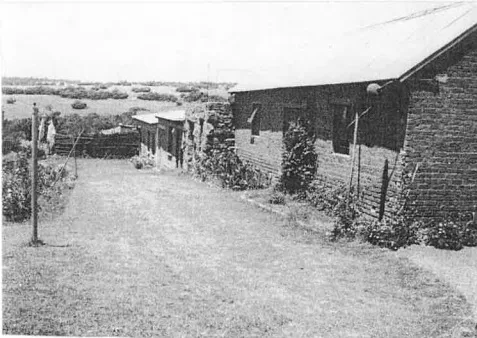
Wheels were set in motion in 1949, as the Rivonia & District Rural Association (chaired by Alan Tweeddale, who would later become Sandton's first mayor) gained funding and approved the building of a new hall, at the cost of £5 000. The hall still stands today, at the corner of 10th Avenue and Rivonia Boulevard, next to the Rivonia Library.
1955
1960s
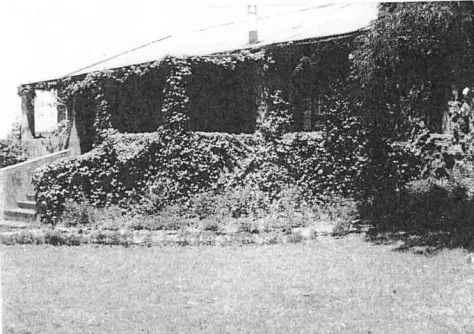
As development continued, many of the old farmhouses, were replaced. Of course, Rivonia is famous for one particular farm – Lilliesleaf. This was the location where Nelson Mandela and some of his revolutionary comrades were hiding from authorities, until a number of them were arrested in July 1963. Lilliesleaf farm is now located in Winston Avenue, and is the site of a museum dedicated to the events of the 1960s.
1970
1983
1989
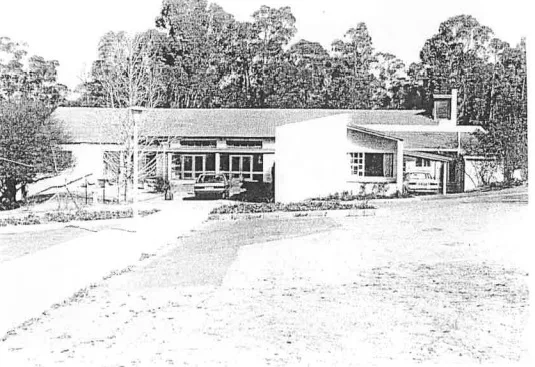
A report in The Star from September 1989 quotes town planner Barry Bristow who said: "there was a time bomb planted in the village: office rights. Rivonia was programmed to change radically – to a commercial region."
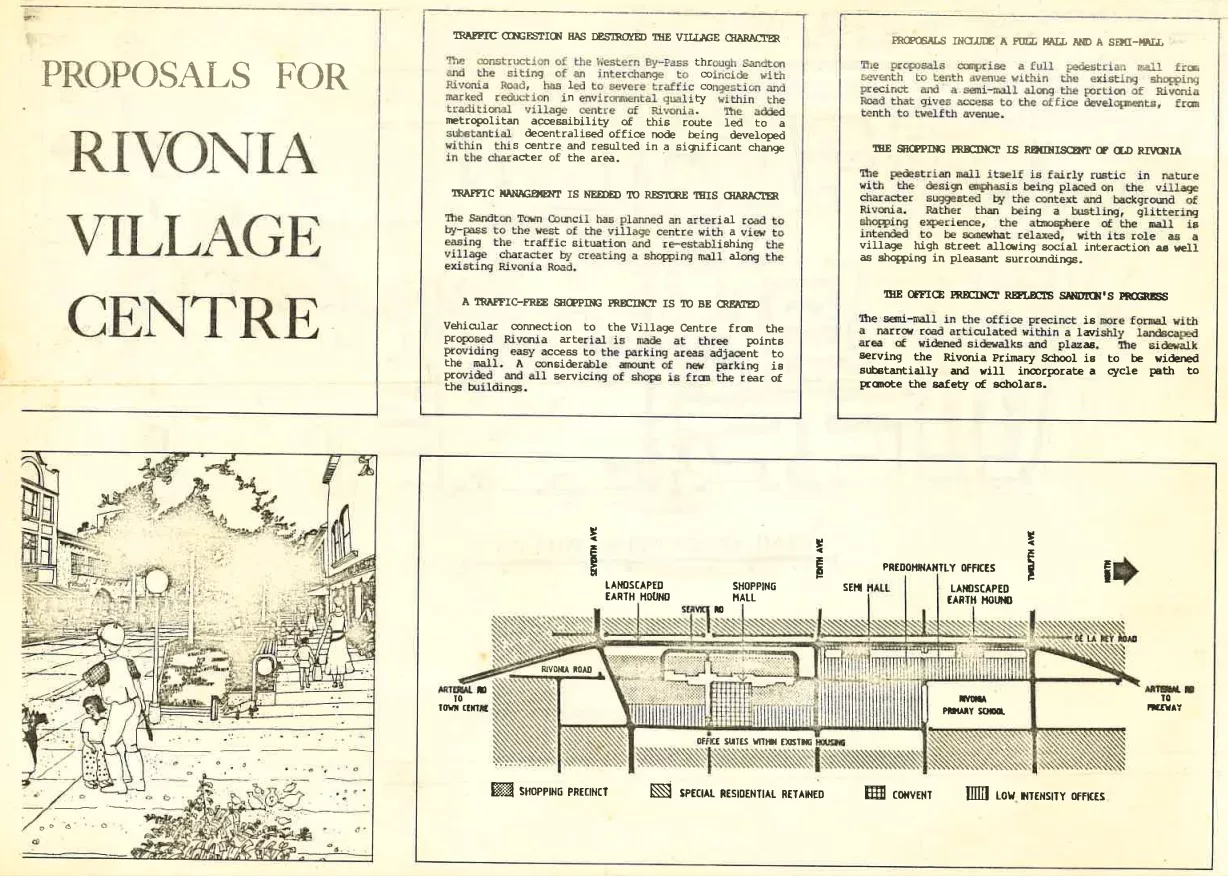
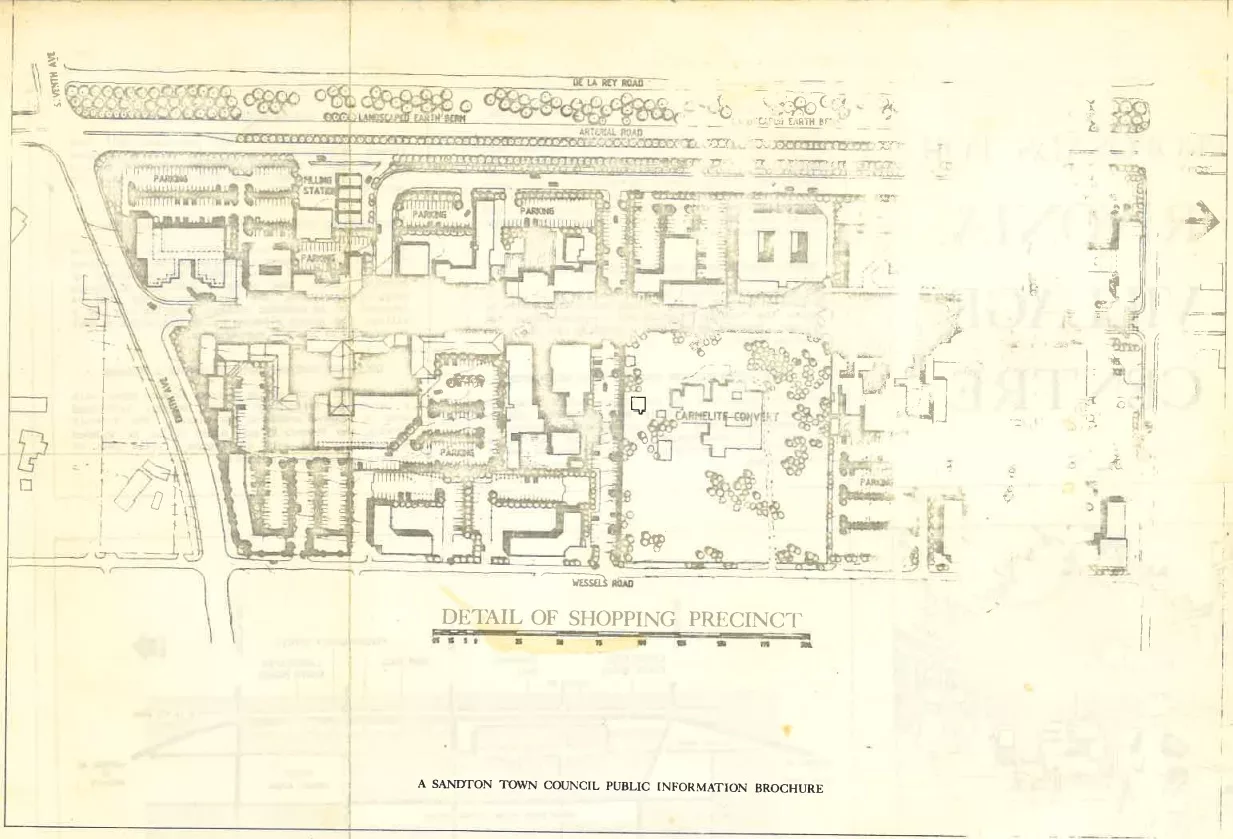
2005
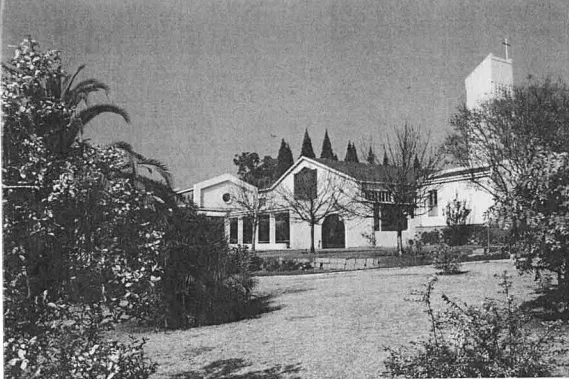
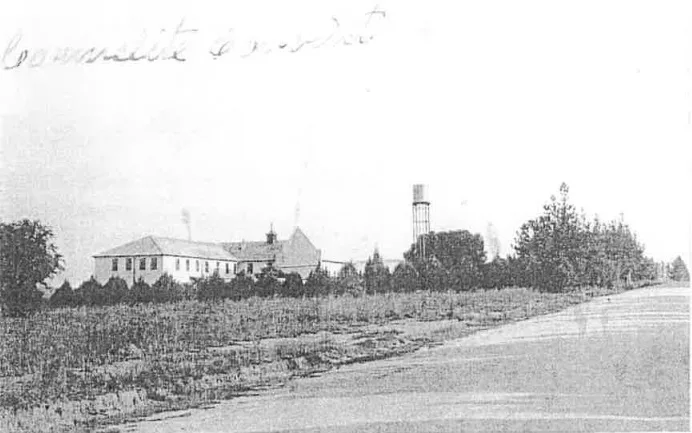
Present Day
Over the years, the suburb has changed dramatically, and today is a varied mix of retail, commercial, and residential use – from old farmhouses to modern apartment blocks. The suburb also boasts a wide mix of residents of all ages and ethnicities. While much has changed, one thing remains constant, the suburb still sits between two rivers.
Our Lady of Lourdes
The history of a Johannesburg Catholic Parish, 1931-2005, by Andrew L Harington
Download to Read More (file is 71Mb in size)Sandton Historical Archives
Various historical documents and materials
Download to Read More (file is 147Mb in size)